The Taíno people were the Indigenous inhabitants of the Caribbean islands, primarily living in areas now known as Cuba, Jamaica, Hispaniola (the Dominican Republic and Haiti), Puerto Rico, and the Bahamas before the arrival of Europeans. They were part of the larger Arawakan-speaking peoples and developed thriving communities based on agriculture, fishing, trade, and spiritual traditions. The Taíno cultivated crops such as cassava, maize, sweet potatoes, and tobacco, and lived in organized villages led by chiefs known as caciques. Their culture emphasized cooperation, artistic expression, storytelling, and a deep connection to nature and ancestral spirits.
The arrival of Christopher Columbus in 1492 marked a devastating turning point in Taíno history. European colonization brought violence, forced labor, disease, and displacement that caused a drastic decline in the Taíno population. For many years, history books incorrectly claimed that the Taíno people became extinct shortly after colonization. However, modern research and oral histories have proven otherwise. While many Taíno people suffered greatly, survivors adapted, intermarried, and preserved parts of their identity through generations.
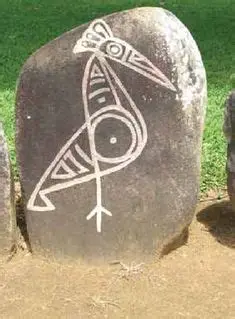
Today, Taíno descendants still exist across the Caribbean and in diaspora communities, especially in Puerto Rico, the Dominican Republic, Cuba, and the United States. Advances in DNA research have shown Indigenous Caribbean ancestry in many people from these regions, confirming what families and communities had long preserved through oral traditions. In addition, Taíno cultural revival movements continue to honor ancestral customs, language, spirituality, crafts, and symbols such as the sun deity, zemis, and petroglyphs. Descendants proudly celebrate their heritage through education, ceremonies, art, and community organizations, proving that the spirit and legacy of the Taíno people remain alive today.
The story of the Taíno is one of resilience and survival. Despite centuries of hardship and attempts to erase their identity, their descendants continue to reclaim and preserve their history. The continued presence of Taíno traditions and ancestry serves as a powerful reminder that Indigenous cultures endure and evolve, keeping the voices of their ancestors alive for future generations.